

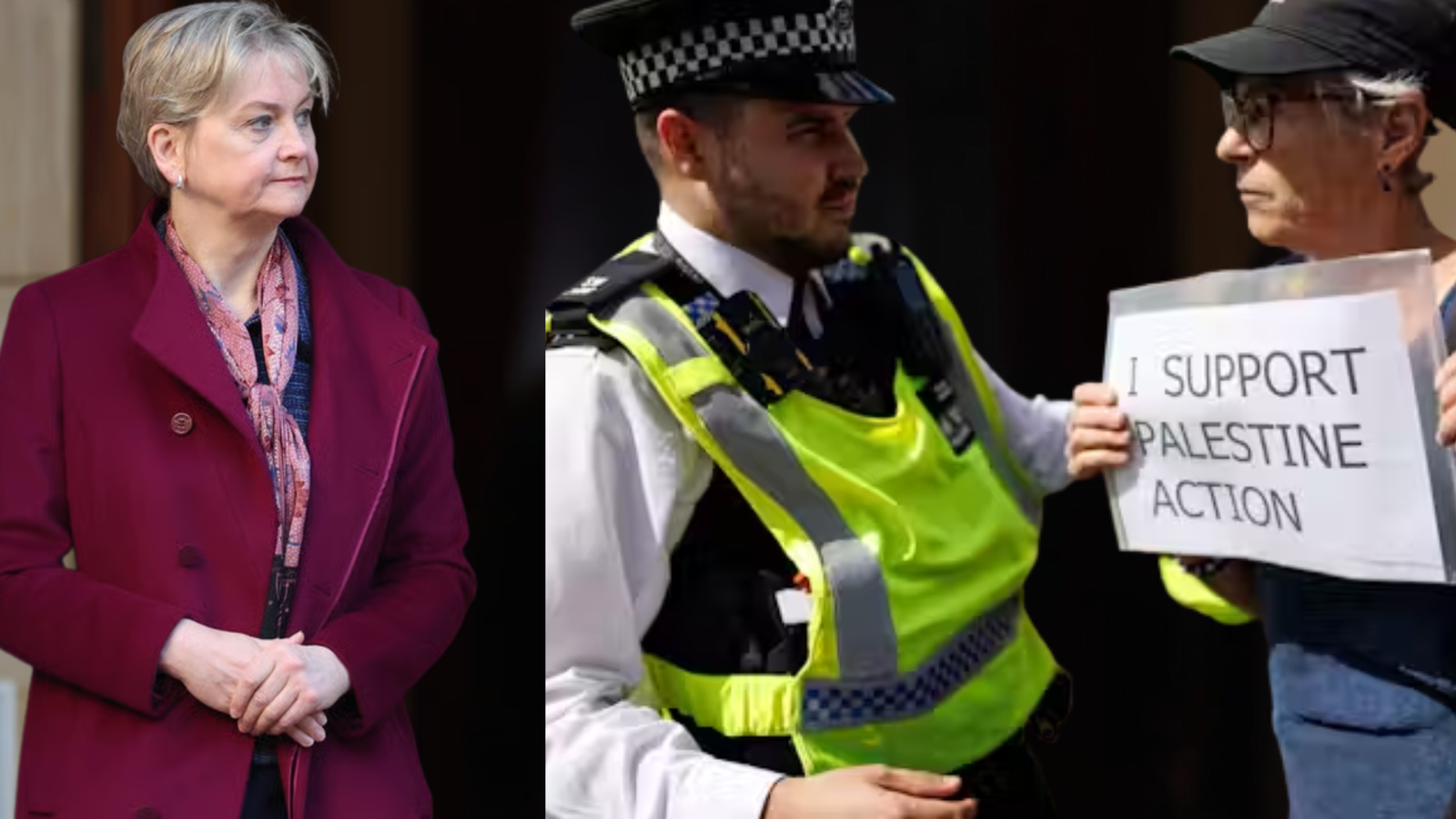
Home Secretary Yvette Cooper has defended the decision to proscribe Palestine Action as a terrorist organisation, as the Metropolitan Police confirmed a further 60 people will be prosecuted for showing support for the group. More than 700 people have been arrested since the ban was introduced on 5 July, most recently more than 500 during a demonstration in central London.
Writing in the Observer, Cooper argued that Palestine Action is “not a regular protest group known for occasional stunts” but an organisation that has claimed responsibility for incidents with a “terrorism connection”. She cited the attack at RAF Brize Norton in June, which caused an estimated £7m in damage to aircraft, and a 2024 break-in at Elbit Systems UK in Bristol that left three people injured after a repurposed prison van was driven through security fencing.
Cooper also referred to an “Underground Manual” attributed to the group, which she said encourages the formation of cells, the selection of targets, and methods to evade law enforcement. “These are not the actions of a legitimate protest group,” she wrote, stressing that the government had acted within the law to protect public safety.
The Met said it had prepared systems to prosecute “significant numbers each week if necessary”. Norfolk Police confirmed that 13 arrests were made on Saturday after a protest in Norwich, part of what officers described as ongoing enforcement of the ban. Under the Terrorism Act, membership of or support for a proscribed group carries a sentence of up to 14 years in prison.
Palestine Action has been granted permission to challenge its proscription in the High Court in November, arguing that the ban breaches the right to free speech and amounts to a gag on legitimate protest. Rights organisations have voiced similar concerns, with Amnesty International’s chief executive Sacha Deshmukh warning that the arrests show how “excessively broad and vaguely worded” terrorism laws risk undermining freedom of expression.
Cooper has said some people supporting Palestine Action may not be aware of the group’s tactics, warning that calls for peace in the Middle East should not be “derailed into a campaign to support one narrow group involved in violence here in the UK.”