

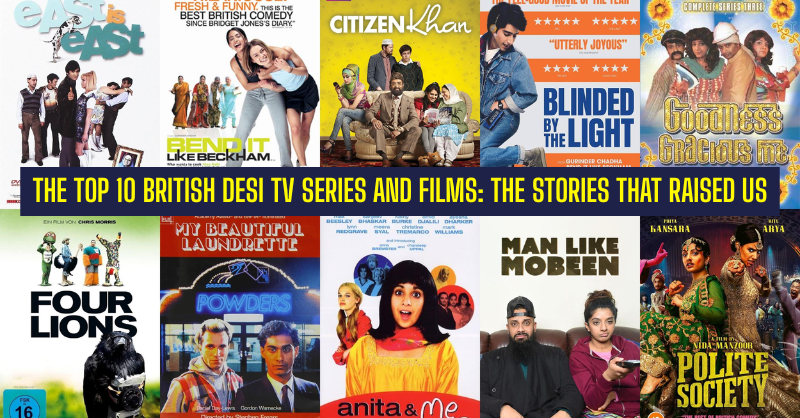
For many of us growing up Desi in Britain, TV and film were more than entertainment they were quiet mirrors of our lives. Before streaming and satellite channels, we had VHS tapes passed around relatives, the one TV in the living room, and those late-night Bollywood movies on Channel 4 that we would sneakily stay up late past our bedtime to watch.
They didn’t always get us right sometimes we were the punchline, sometimes the stereotype but over the years, something changed. Desi voices stopped being guests in British media and started owning the story. We began to see our lives, our parents, our accents, and our contradictions on screen.
From chaotic family kitchens to corner shops in Birmingham, from Partition memories to modern British madness, here are ten TV series and films that defined the British Desi experience and, in some way, all of us.
1. East Is East (1999)
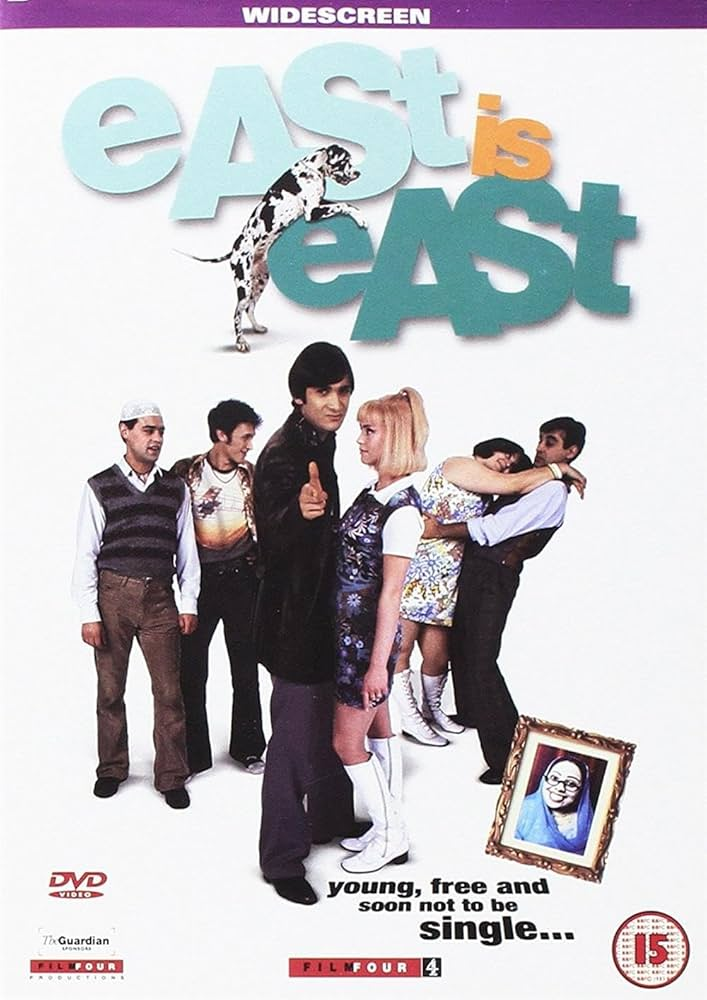
Every British Pakistani family knows East Is East not because it’s perfect, but because it’s honest. George Khan’s Salford home looks and sounds like the 70s houses our parents describe: Urdu clashing with English, biryani clashing with beans on toast, and kids stuck between the two.
The humour is sharp; the pain is real. Watching it now, it’s more than nostalgi it’s a time capsule of that first generation trying to raise British-born kids without losing themselves.
2. Bend It Like Beckham (2002)
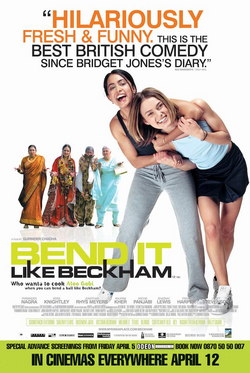
If East Is East was our past, Bend It Like Beckham was our present. For the first time, a British Asian girl was the hero not the dutiful daughter, not the comic relief, but the dreamer.
Jess Bhamra wanted to play football, and in her fight with family, faith, and society, we saw ourselves the ones quietly rewriting the rules of what “good Desi kids” were supposed to be.
Two decades on, it’s still a touchstone. It taught us that identity isn’t a choice between two worlds: it’s learning how to live in both.
3. Citizen Khan (2012–2016)
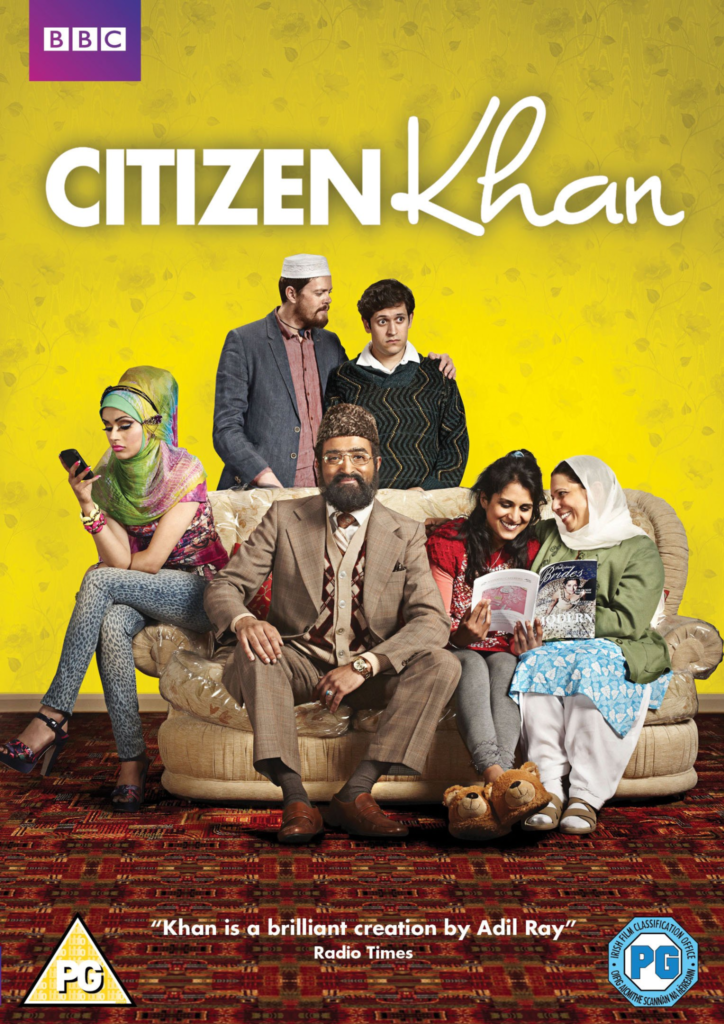
Whether you laughed or rolled your eyes, Citizen Khan made one thing clear we’d arrived in mainstream British comedy. Mr Khan might have been exaggerated, but anyone who’s grown up around “community uncles” knows the energy: loud, confident, proud, and completely unaware of their contradictions.
It wasn’t subtle, but it opened doors. For once, a British Pakistani family wasn’t being talked about it was telling the jokes itself.
4. Blinded by the Light (2019)
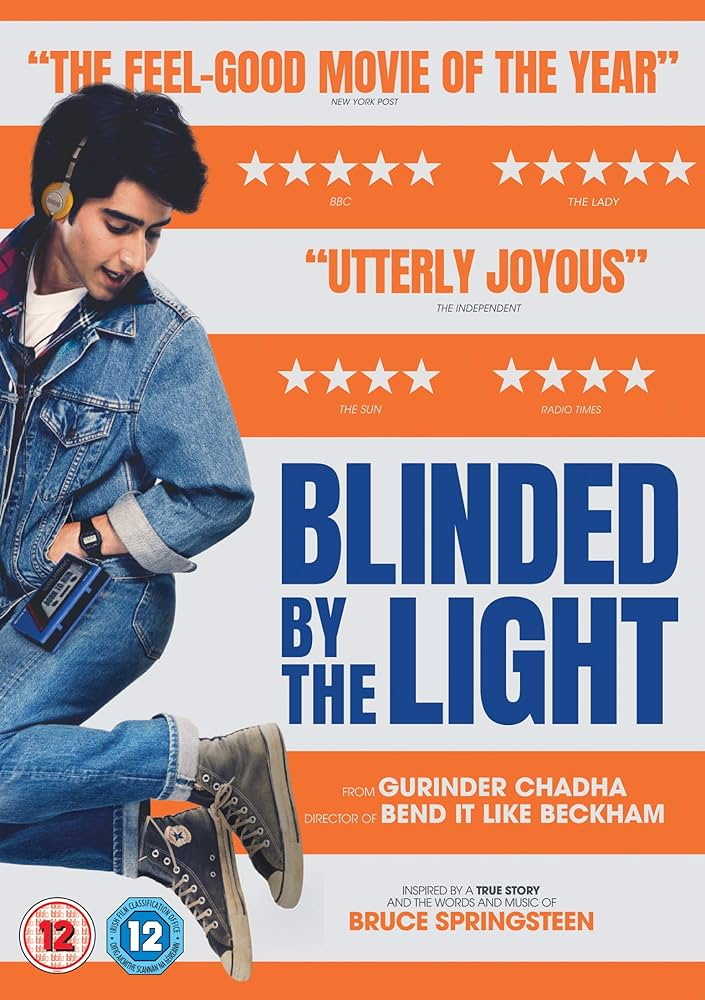
Sarfraz Manzoor’s real-life story of growing up in 1980s Luton was one many of us recognised. A young British Pakistani kid, feeling invisible, finds freedom in the words of Bruce Springsteen.
It’s not really about music it’s about that moment every second-generation kid knows when you finally realise your story matters too. Between racism, dreams, and dad’s expectations, Blinded by the Light shows how art any art can give you permission to be yourself.
5. Goodness Gracious Me (1998–2001)
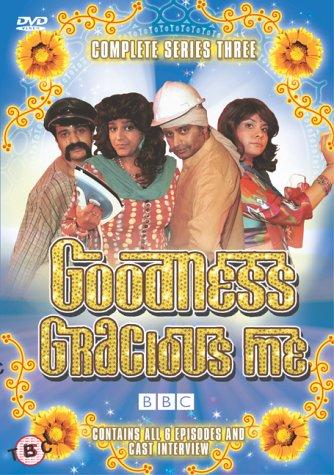
Before Man Like Mobeen, before Citizen Khan, there was Goodness Gracious Me the show that rewrote British comedy forever.
Meera Syal, Sanjeev Bhaskar, Nina Wadia, and Kulvinder Ghir brought Desi humour to mainstream BBC television, and it was nothing short of revolutionary. For the first time, British Asians weren’t the subjects of jokes they were the ones telling them.
From “Going for an English” to the “Bhangra Muffins,” the sketches captured the absurdity and joy of dual identity with warmth and wit. It gave us permission to laugh at our contradictions and to be proud of them.
6. Four Lions (2010)
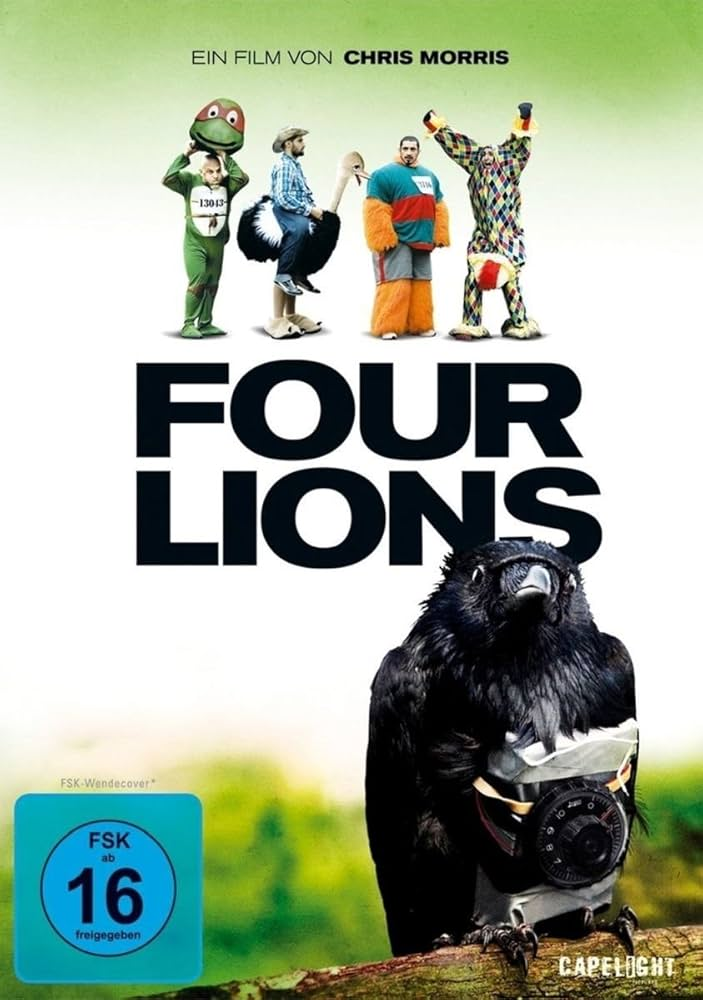
It takes bravery to make a dark comedy about something Britain wasn’t ready to laugh about and yet Four Lions did just that. Chris Morris film about a group of inept British jihadists remains uncomfortable, hilarious, and essential.
It humanised what politics had dehumanised, showing that ignorance, anger, and alienation don’t come from religion, but from disconnection. Many of us chuckle at the thought of “rubber dinghy rapids bro” and when dancing in the moonlight comes on, we are taken back to the scene in the van.
7. My Beautiful Laundrette (1985)
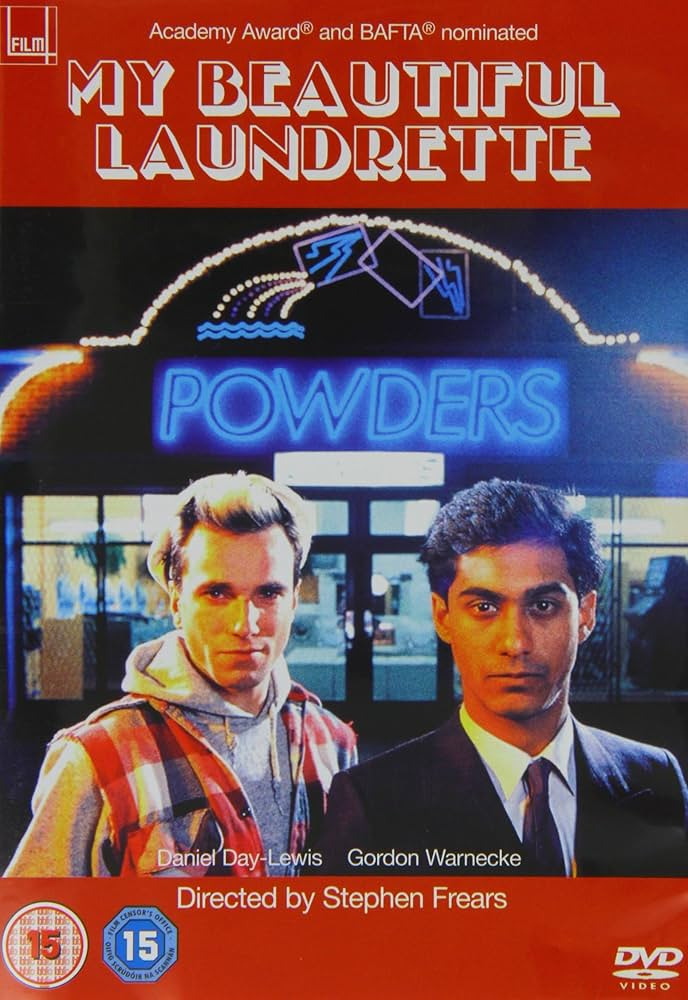
Before any of the others, there was My Beautiful Laundrette. Hanif Kureishi’s writing gave Britain one of its first openly gay South Asian protagonists in Thatcher’s 1980s, no less.
Omar and Johnny’s laundrette isn’t just a business; it’s a symbol of reinvention. Watching it now, you can see the roots of every British Desi story that followed. It said: we don’t need permission to be complex.
8. Anita and Me (2002)
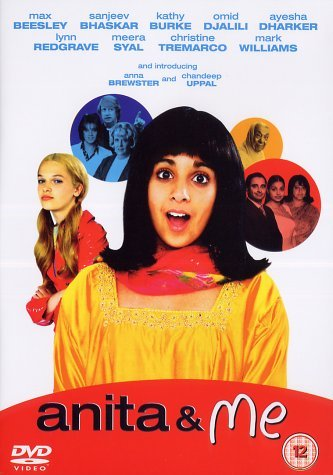
Adapted from Meera Syal’s beloved novel, Anita and Me feels like childhood. For many British Indians and Pakistanis, Meena’s world a Midlands mining town, family gossip, childhood curiosity is painfully familiar.
It’s about growing up between Bollywood dreams and British reality, between acceptance and racism, friendship and fear. Syal’s story remains one of the gentlest and most heartfelt depictions of Desi girlhood ever written for screen.
9. Man Like Mobeen (2017–2022)
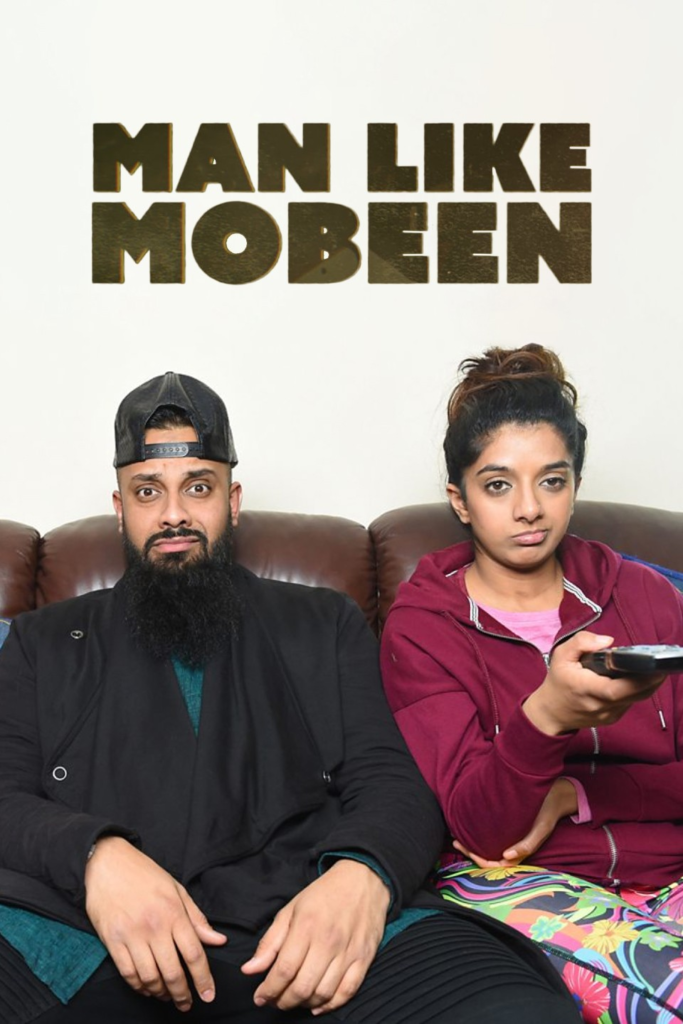
There’s something special about Man Like Mobeen. It’s raw, funny, and honest the kind of representation that doesn’t try to impress anyone. Guz Khan’s writing is full of truth: the banter, the pain, the contradictions of being Muslim, working-class, and proud of it.
Mobeen isn’t perfect, and that’s the point. He’s every guy trying to keep his head up, look after family, and do right in a world that doesn’t make it easy.
10. Polite Society (2023)
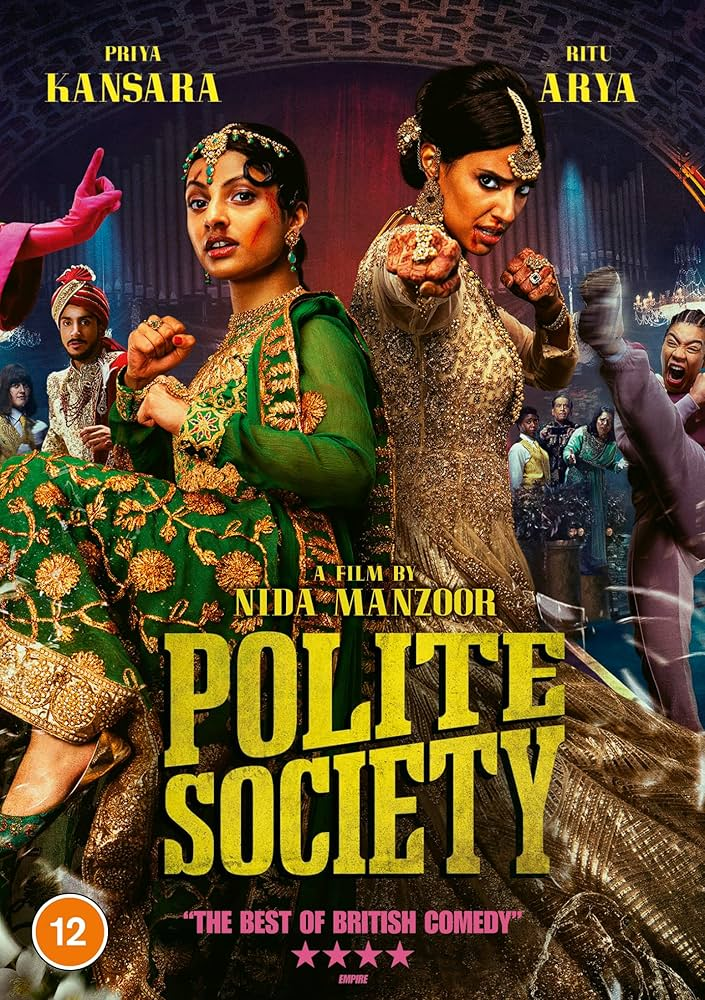
Nida Manzoor’s Polite Society is what the next generation looks like bold, joyful, and totally unbothered by labels. It’s a martial-arts-meets-marriage comedy that takes Desi girlhood and turns it into an action film.
It’s playful, defiant, and deeply self-aware the perfect metaphor for where we are now. British Asian stories no longer have to justify themselves; they can just exist, loud and proud.
A Personal Reflection
Our parents generation watched My Beautiful Laundrette quietly, unsure if Britain would ever really see them. We grew up quoting Bend It Like Beckham and Goodness Gracious Me at school, finding pieces of ourselves in the laughter. And now, a new generation is watching Man Like Mobeen and Polite Society, seeing their lives on screen not as curiosities, but as stories worth telling.
Together, these films and shows form more than a list they form our cultural autobiography. They tell the story of how we went from those Channel 4 Bollywood nights when we felt half-in, half-out to a Britain where Desi stories stand front and centre.
That’s what makes them timeless. They’re not just about identity they are identity, lived and reimagined, one screen at a time.