

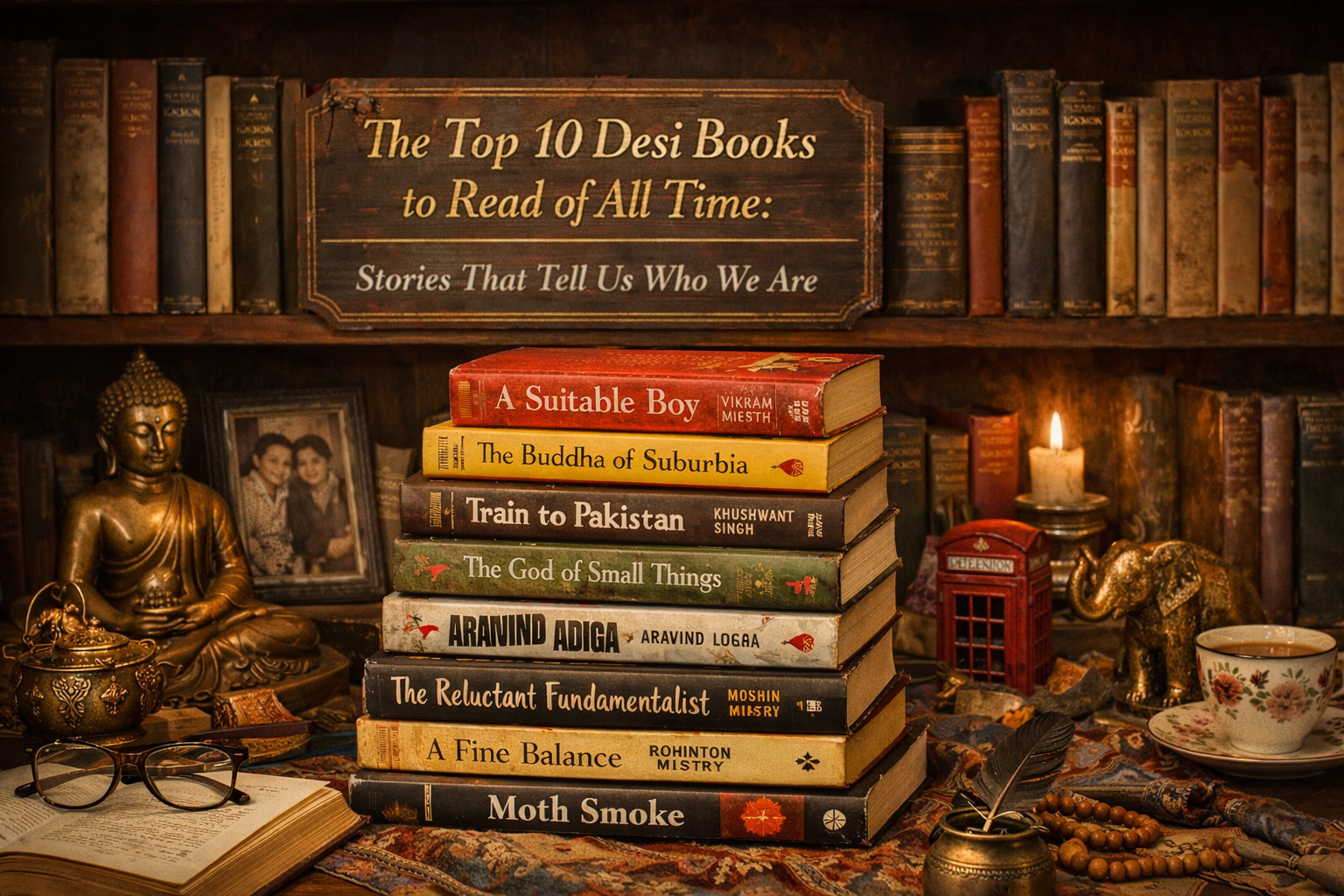
For many of us who grew up in the UK, Desi literature wasn’t just a window into another world it was a mirror. Through these stories, we saw families like ours. Parents who crossed oceans. Children trying to fit in. Characters torn between tradition and change. The beauty of South Asian writing lies in its ability to hold all those contradictions together faith and doubt, duty and freedom, loss and love without ever pretending the answers are simple.
Here are ten timeless Desi books that continue to shape how we understand ourselves stories that remind us where we came from, and who we’ve become.
1. The Buddha of Suburbia – Hanif Kureishi

If there’s one book that captures what it means to grow up Desi and British, it’s this. Set in 1970s London, The Buddha of Suburbia follows Karim, a mixed-race teenager trying to navigate family, identity, and ambition.
It’s funny, bold, uncomfortable, and painfully honest. Kureishi captures what many second-generation British South Asians have lived being too brown for Britain but too British for the subcontinent. Decades later, it still feels like it was written for us.
2. A Suitable Boy – Vikram Seth
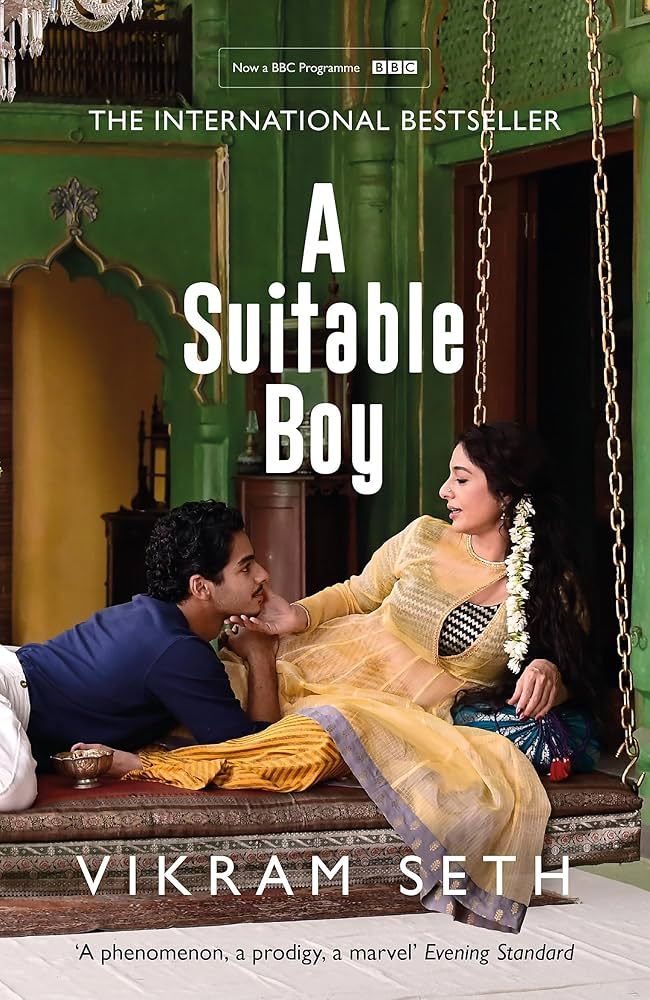
Vikram Seth’s epic novel is a universe in itself. Centred around Lata Mehra’s search for a husband, it captures post-independence India in all its contradictions religion, love, class, and hope colliding in one sprawling story.
For British Desis, it’s a reminder of the world our grandparents left behind the rhythm of daily life, the gossip, the music, the yearning. Reading it feels like returning to a home you’ve never lived in, but somehow remember.
3. Train to Pakistan – Khushwant Singh
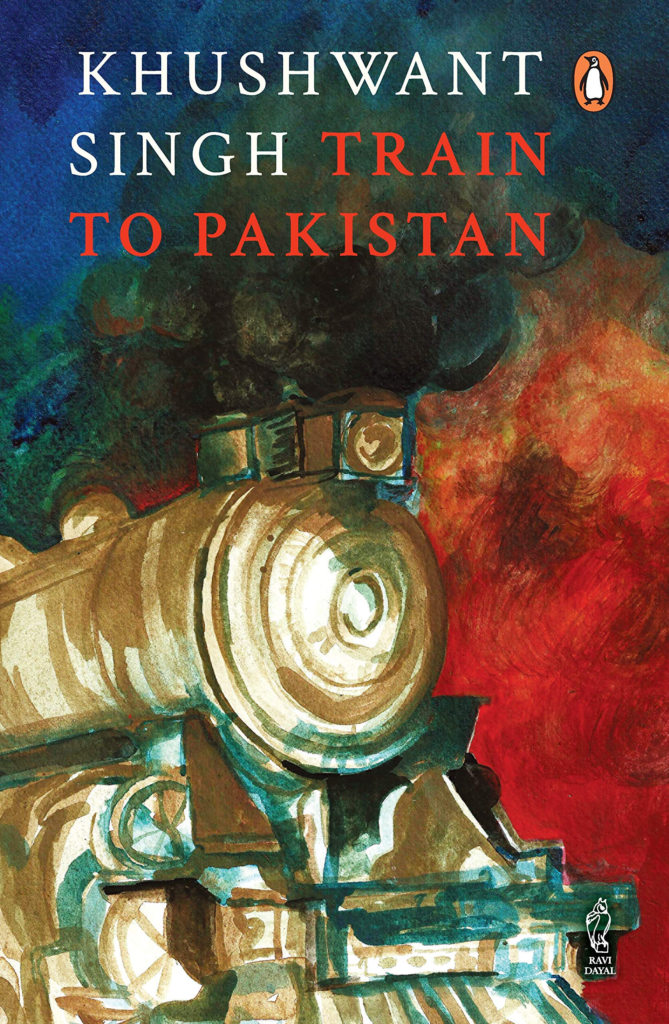
No list of South Asian classics is complete without this. Train to Pakistan remains one of the most powerful depictions of Partition ever written. Singh takes the abstract violence of 1947 and brings it down to a single village, a single train, a single moment of humanity and horror.
For those of us raised on family stories about migration and survival, this novel isn’t just history it’s memory.
4. The God of Small Things – Arundhati Roy
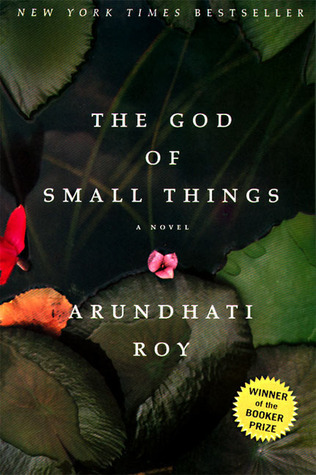
Arundhati Roy’s debut novel changed Indian English writing forever. Set in Kerala, it tells the story of twins Rahel and Estha, whose childhood is torn apart by forbidden love and rigid social codes.
It’s poetic, painful, and political all at once a reminder that in South Asia, personal tragedy is never far from social injustice. Roy writes with the kind of emotional precision that makes you stop mid-page and breathe.
5. Moth Smoke – Mohsin Hamid
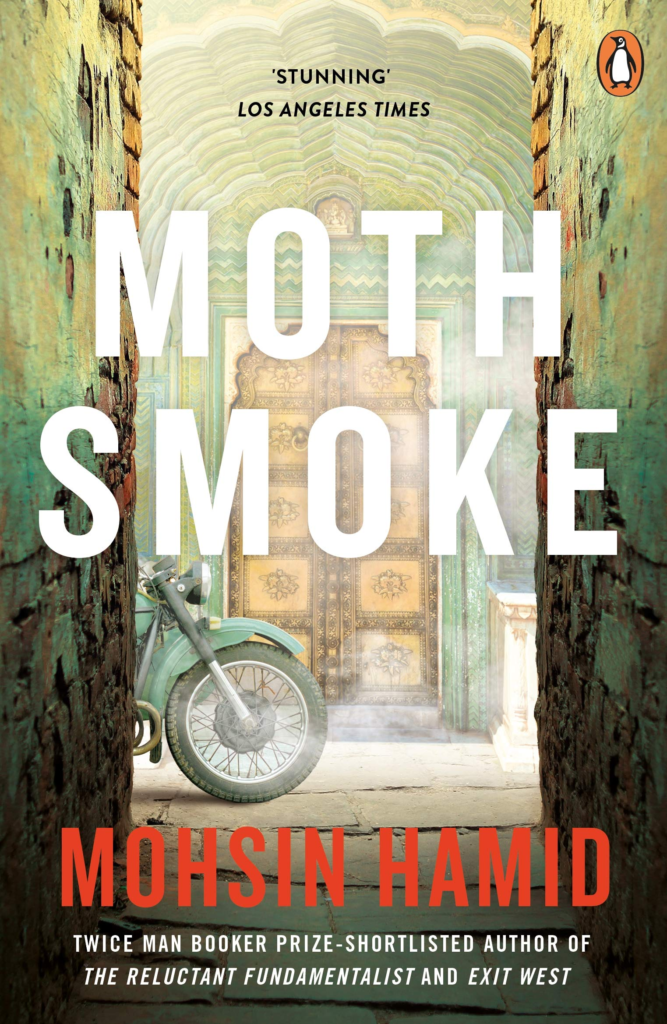
A fever dream of modern Pakistan. Hamid’s Moth Smoke follows Daru, a disillusioned banker caught between class privilege and personal ruin. It’s sharp, dark, and uncomfortably familiar a portrait of how ambition, corruption, and inequality can swallow a generation.
For British Pakistanis, it’s a mirror held up to the contradictions of the homeland glamorous and broken, hopeful and cynical, all at once.
6. The White Tiger – Aravind Adiga
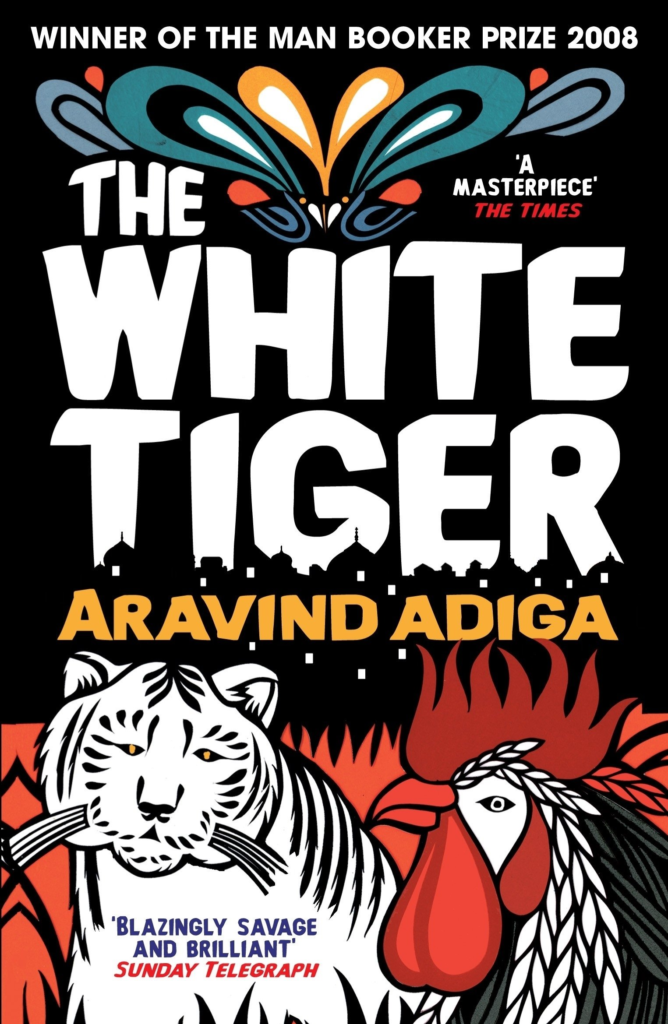
Aravind Adiga’s The White Tiger isn’t an easy read and that’s exactly why it matters. Through Balram Halwai’s confession to murder, Adiga strips away India’s glossy success story and exposes the brutality of class, capitalism, and survival.
It’s a modern fable for the Desi world about how far people will go to break out of the cages built around them.
7. The Reluctant Fundamentalist – Mohsin Hamid
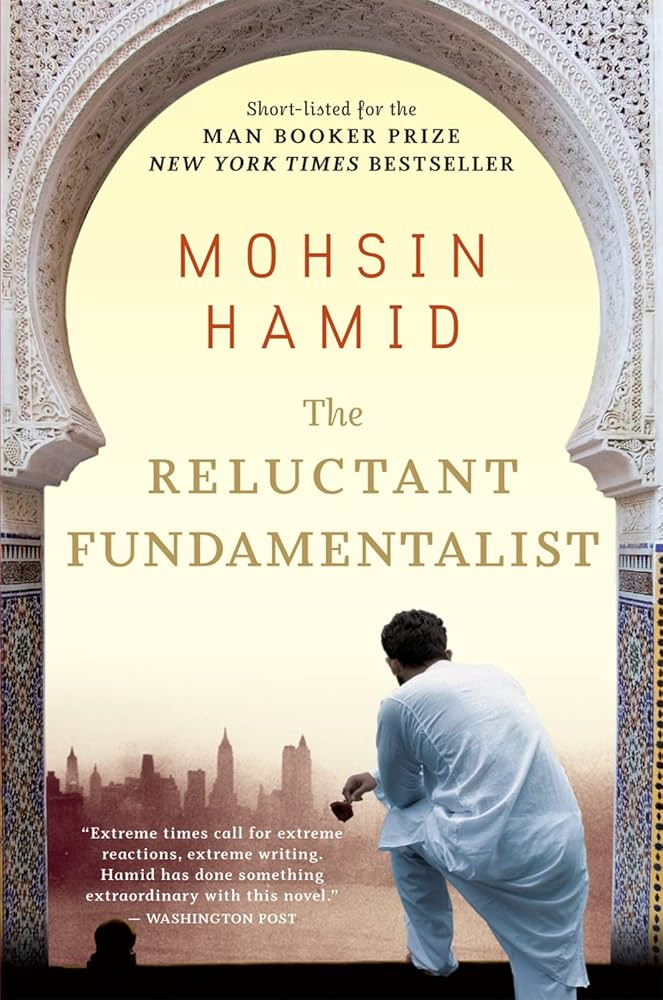
Told as a single conversation between a Pakistani man and an American stranger, Hamid’s second novel is spare, haunting, and brilliant. It’s a story about alienation in a post-9/11 world, but more than that, it’s about perception how we are seen, and how we learn to see ourselves.
For many British Muslims, it captured a feeling we rarely saw written down that quiet shift after 2001, when belonging suddenly felt conditional.
8. Clear Light of Day – Anita Desai
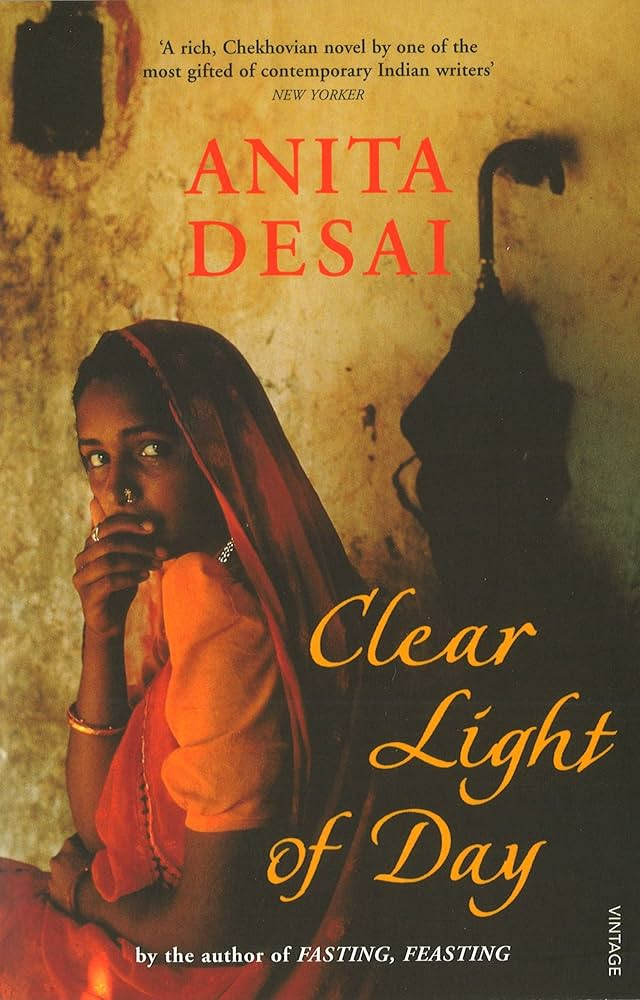
Desai’s writing has a quiet power like a memory whispered rather than told. Clear Light of Day follows a family in Delhi, separated by Partition but bound by love and loss.
It’s about time, forgiveness, and the things families never say out loud. For anyone raised in a Desi household, that silence will feel achingly familiar.
9. In Other Rooms, Other Wonders – Daniyal Mueenuddin
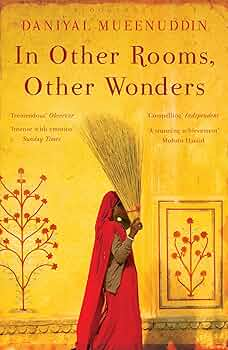
This collection of interlinked stories paints a vivid portrait of Pakistan’s social landscape the powerful and the powerless, all bound by circumstance. Mueenuddin’s prose is subtle but piercing; he shows how class and privilege touch every corner of life.
For readers in the diaspora, it offers a bridge between the Pakistan we hear about and the one that quietly endures.
10. A Fine Balance – Rohinton Mistry
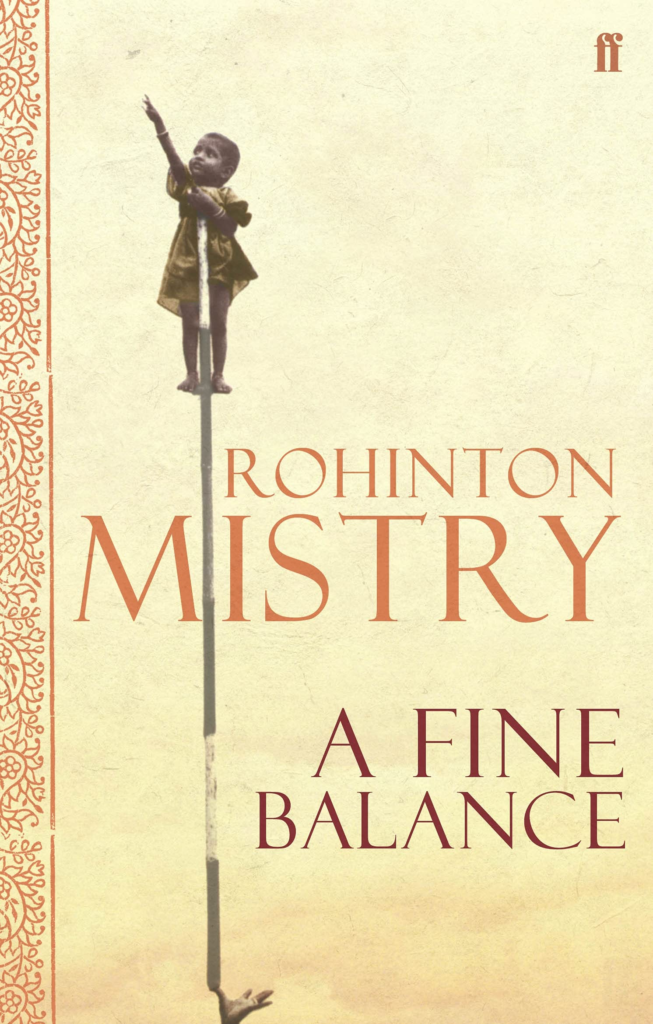
If one book deserves the title of masterpiece, it’s this. Set during India’s Emergency, A Fine Balance follows four strangers who come together in a city bursting with life and suffering.
Mistry’s writing is full of compassion not for heroes, but for ordinary people just trying to survive. It reminds us why Desi storytelling matters: because it finds dignity in struggle.
To grow up Desi in Britain is to live in two languages the one you speak, and the one you feel. These books exist in that space between. They tell the stories our parents didn’t have time to write down, and the ones we’re still learning how to tell.
What ties them together isn’t geography or religion it’s that unspoken ache of belonging, that need to be seen. Whether it’s Kureishi’s South London, Roy’s Kerala, or Mistry’s Bombay, these writers remind us that our stories are worth telling.
In a way, that’s what a “British Desi classic” really is a book that doesn’t just describe the world, but helps us make sense of who we are in it.