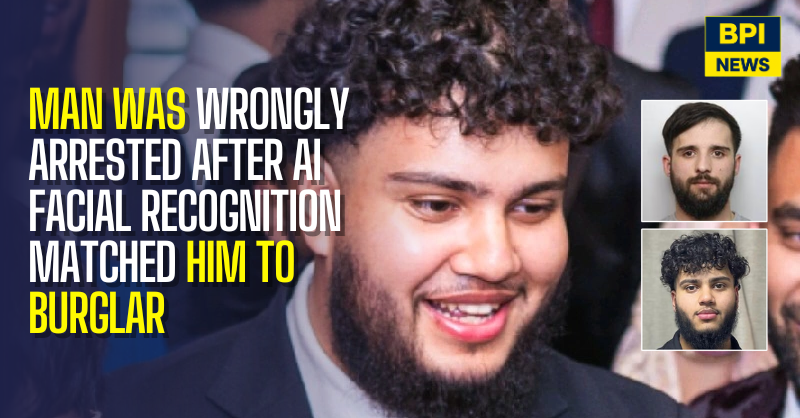
A man wrongly arrested after an AI facial recognition system identified him as a burglary suspect has said he still cannot understand how police confused him with the real offender.
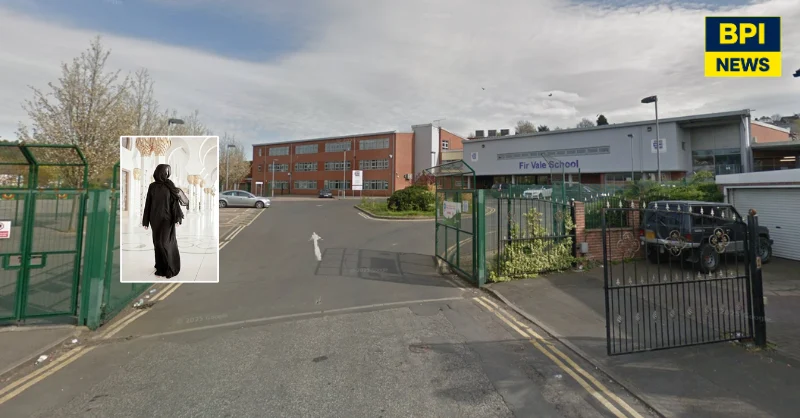
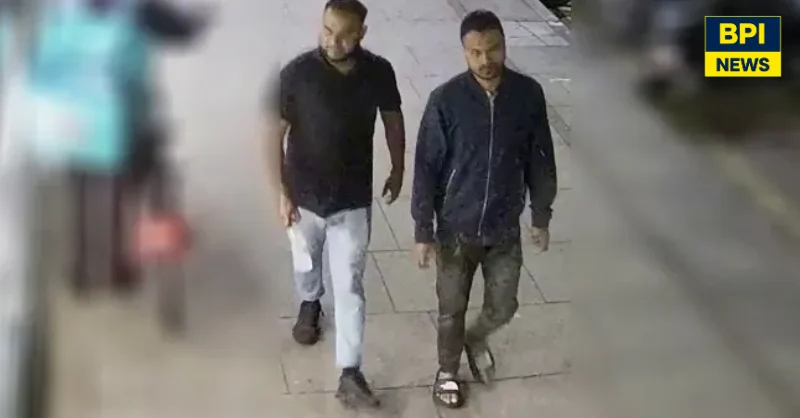
Alvi Choudhury, 26, was arrested at his family home in Southampton on 7 January after Thames Valley Police’s facial recognition system linked his custody image to CCTV footage from a burglary at Milton Keynes Buddhist Vihara the previous month.
Officers held him in custody for around 10 hours before releasing him without further action after deciding he was not the man shown on the footage.
The real burglar has since been identified as 23-year-old Eduard Zlatineanu, who was sentenced to 21 months in prison after pleading guilty to one count of burglary dwelling at Aylesbury Crown Court.
Choudhury said the two men looked nothing alike and questioned how either the software or officers reviewing the result could have treated him as a credible suspect.
The burglary took place on 8 December, when thieves stole around £3,000 in cash and jewellery from the Buddhist temple, including money donated to help flood victims in Sri Lanka.
Zlatineanu had already been arrested on the day of the burglary, according to reports, raising further questions about why Choudhury was later detained more than four weeks afterwards.
Choudhury said Hampshire officers arrested him at around 4pm on behalf of Thames Valley Police while he was working from home. He was not interviewed until around midnight, and said detectives took about 10 minutes to conclude that he was not the suspect.
He said officers later appeared to acknowledge how obvious the mistake was.
“When I was released, police were laughing because they saw the footage and it was clearly two different people,” he said.
Choudhury has argued that both the facial recognition system and the officers who reviewed the result failed badly.
He said the software should never have been relied on in its current form and accused officers of not carrying out basic background checks that would have ruled him out immediately.
Thames Valley Police said the arrest was based on investigating officers’ own visual assessment after the automated match was returned.
Choudhury’s image was still held on the database after another wrongful arrest in 2021, when he was detained following a separate incident in Portsmouth despite later maintaining he had done nothing wrong.
He is now taking legal action and says he wants compensation and an apology over the ordeal.
The case is likely to add to wider concerns around the use of facial recognition by police, particularly after previous research found higher false positive rates for some minority groups than for white faces.