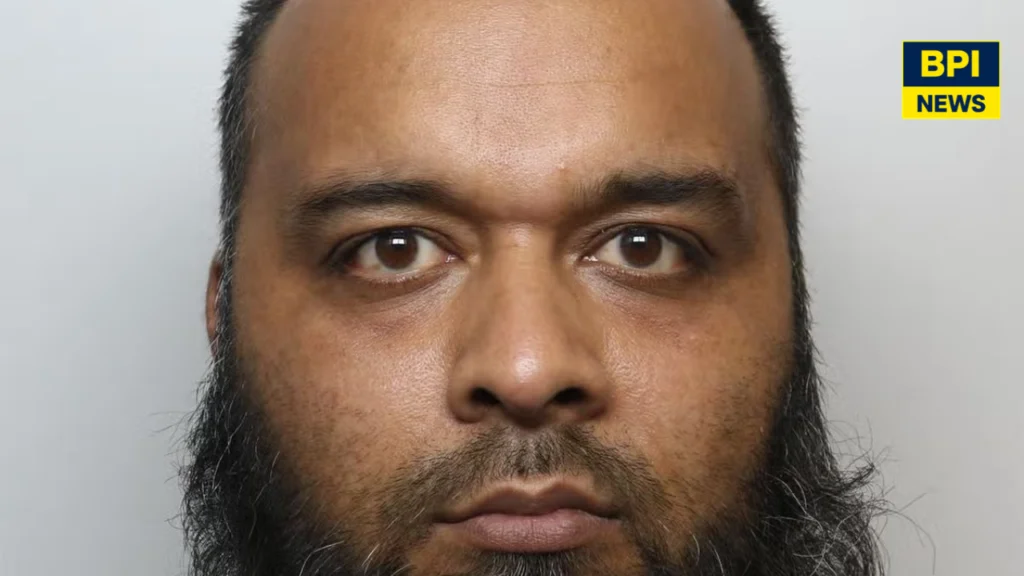
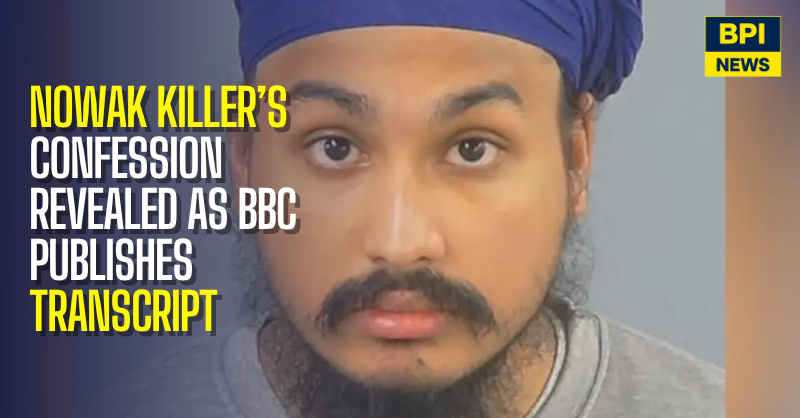
Within 36 hours of murdering 18-year-old Henry Nowak, Vickrum Digwa admitted to his brother that he had stabbed the teenager multiple times while the pair sat handcuffed in the back of a police van, according to a transcript obtained by the BBC.
The conversation, conducted in Punjabi as the brothers were transported between a police station and a custody hearing on 5 December 2025, provides the first recorded confession made by Digwa after the fatal stabbing in Southampton.
According to the transcript, Gurpreet Digwa asked his younger brother: “What did you do? Did you even do anything?” In response, Vickrum pointed to his shoulder before saying: “One here, towards the face and one on the chest.”
His brother replied: “You should not have done it.”
Digwa responded: “It was my fault.”
The admission came after Digwa had repeatedly told police, witnesses and even his own family that he had been the victim of a racial attack and had only punched and pushed Henry in self-defence.
Throughout the journey, Gurpreet repeatedly encouraged his brother to pursue a self-defence argument. He suggested Digwa should have simply pushed Henry or beaten him instead of using a knife and advised him on how to describe the weapon to police.
The brothers discussed various Punjabi terms for blades, including “shastar” and “kirpan”. Gurpreet suggested his brother should describe the weapon as the smaller ceremonial kirpan traditionally worn by practising Sikhs around the neck.
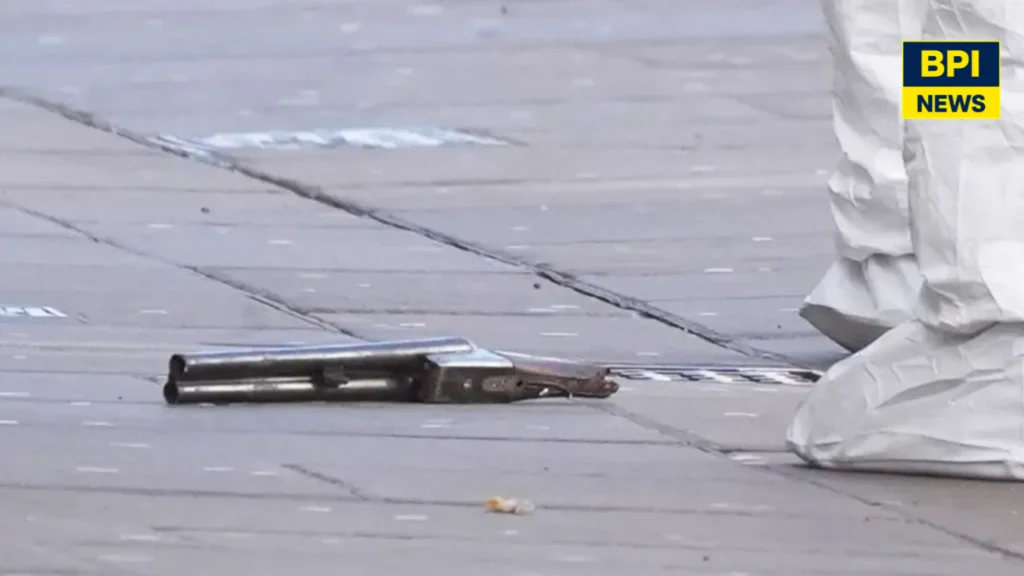
However, the court heard Digwa had not used his small ceremonial kirpan. Instead, he stabbed Henry with a much larger 21cm dagger carried in a cross-body sheath associated with the Nihang Sikh warrior tradition.
The use of the word “kirpan” has been strongly disputed by Sikh leaders, who argue that a kirpan is a sacred religious article symbolising justice and protection, and should not be associated with the murder weapon used in the attack.
The transcript also shows the brothers praying repeatedly to Waheguru, asking God to save themselves and their parents after all four members of the family had been arrested.
At one stage Gurpreet prayed: “We have not done anything wrong God, please have mercy on us and protect us. Save all of us from here and get us home safely.”
The conversation also referenced their parents, Moga Singh and Kiran Kaur, who had both been arrested shortly after the killing.
Digwa admitted responsibility for placing them in that situation, saying: “Mum was making a lot of noise. It was my fault.”
Kiran Kaur was later convicted of assisting an offender after removing the murder weapon from the scene at her son’s request. She is due to be sentenced later this month.
Neither Gurpreet nor their father faces charges connected to Henry Nowak’s murder. However, all three men have pleaded not guilty to separate weapons offences after police allegedly discovered machetes, knuckledusters, flick-knives and 37 swords at the family home in Southampton. Gurpreet also denies additional charges relating to weapons allegedly found inside a car. Their trial is scheduled for September 2027.
During the murder trial, Judge William Mousley KC said Digwa had abused the legal privilege allowing practising Sikhs to carry a religious blade in public.
“You abused the privilege extended to Sikhs to have a knife in a public place for religious reasons, dishonoured your religion and have now put others at risk of repercussions,” the judge said.
He added that Digwa’s minimum sentence could have been lower had he admitted the killing immediately instead of repeatedly lying to police.
Digwa was convicted of murder and sentenced to life imprisonment with a minimum term of 21 years. He is appealing both his conviction and sentence, while the Solicitor General has also referred the sentence to the Court of Appeal under the Unduly Lenient Sentence scheme.
The BBC said it obtained the translated transcript from the Crown Prosecution Service but has not independently verified the accuracy of the Punjabi-to-English translation or heard the original police recording.