
The issue of crime in Pakistan is multifaceted, deeply rooted in socio-economic, political, and cultural factors. This detailed exploration provides insight into the major types of crimes, the contributing factors behind them, and the challenges in combating crime in Pakistan.
Overview of Crime Types
Pakistan faces a wide range of criminal activities, which can be broadly categorized into several key types:
- Violent Crime: Includes homicide, assault, and armed robbery. These crimes are particularly prevalent in urban areas and are often linked to broader issues of social inequality and political instability.
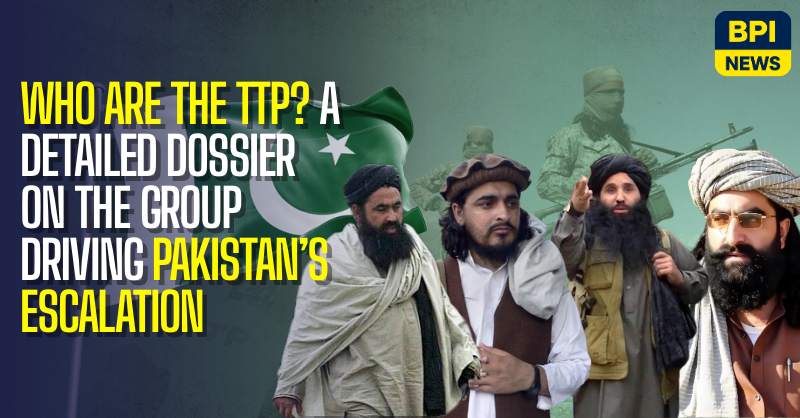
- Terrorism: Although incidents have declined since the peak years of the late 2000s and early 2010s, terrorism remains a significant threat, with groups such as the Tehrik-i-Taliban Pakistan (TTP) still active.
- Organized Crime: Encompasses activities like drug trafficking, arms smuggling, and human trafficking. Pakistan’s strategic location as a crossroad between South Asia, Central Asia, and the Middle East makes it a hub for these illegal enterprises.
- Corruption and Economic Crimes: These are widespread and involve various forms of fraud, bribery, and embezzlement, significantly hampering economic development and governance.
- Cybercrime: On the rise, with incidents ranging from financial fraud to cyber harassment and hacking. The digitalization of many aspects of life without corresponding increases in cybersecurity measures has exacerbated this issue.
Contributing Factors
Several factors contribute to the high rate of crime in Pakistan:
- Political Instability and Governance Issues: Frequent changes in government, coupled with inefficiencies within judicial and law enforcement systems, create an environment where crime can flourish.
- Economic Disparities: Significant poverty and unemployment drive many towards criminal activities as a means of survival.
- Social and Ethnic Tensions: Deep-seated ethnic and sectarian divisions often lead to violence and are exploited by criminal networks to foment instability.
- Inadequate Policing and Judicial Systems: Corruption within the police force and lengthy, inefficient judicial processes deter crime reporting and prosecution, allowing many criminals to operate with impunity.
Challenges in Addressing Crime
Efforts to combat crime in Pakistan face several obstacles:
- Resource Constraints: Law enforcement agencies often lack the necessary resources, including personnel, modern technology, and training, to effectively tackle crime.
- Legal and Institutional Challenges: There are significant delays in the judicial process, and laws are not always adequately enforced, which undermines the rule of law.
- Cultural Factors: In some areas, traditional practices and distrust of formal judicial processes lead to reliance on tribal jirgas (councils) instead of formal courts, which can perpetuate certain forms of crime and violence.
- International Dimensions: The proximity to opium-producing areas and conflict zones complicates efforts to control drug trafficking and related organized crime.
Conclusion
Crime in Pakistan is a critical challenge that impacts all aspects of society. Addressing this issue requires comprehensive strategies that include strengthening institutions, enhancing law enforcement capabilities, fostering economic opportunities, and improving educational and social services.