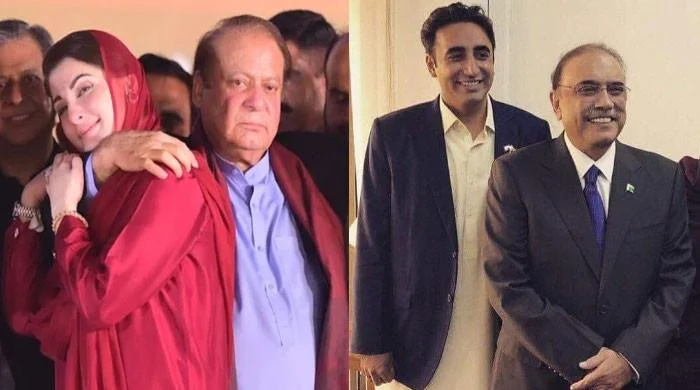
Hereditary politics, characterized by the transfer of political power and influence among family members, isHereditary politics, characterised by the transfer of political power and influence among family members, remains deeply ingrained in Pakistan’s political fabric. This analysis examines its historical roots, dominant dynasties, mechanisms of power, and its impact on democracy and governance in 2025.
Historical Foundations and Evolution
Colonial Legacy and the Emergence of Political Families:
Hereditary politics in Pakistan can be traced to the colonial period, when the British Empire rewarded loyal landowners and tribal elites with titles, land, and administrative authority. These families developed into entrenched socio-political elites and transitioned into politics at independence in 1947. The dominance of large landholding clans, biraderi (kinship) structures, and patronage networks cemented the foundation for dynastic politics that still persists today.
Dominant Political Dynasties
1. The Bhutto-Zardari Dynasty
- Zulfikar Ali Bhutto: Founder of the Pakistan People’s Party (PPP), remembered for populist politics, the 1973 Constitution, and his execution in 1979.
- Benazir Bhutto: Pakistan’s first female Prime Minister (1988–90, 1993–96), a global symbol of women’s leadership, assassinated in 2007.
- Asif Ali Zardari: Served as President (2008–13) and returned to the presidency in 2024, becoming the only civilian leader to hold the office twice. His politics emphasise coalition-building but remain shadowed by corruption allegations.
- Bilawal Bhutto Zardari: The current PPP chairperson, who entered mainstream politics in the 2010s. Despite strong symbolic appeal, PPP’s influence is largely confined to Sindh, and Bilawal faces challenges expanding its base nationally.
2. The Sharif Family
- Nawaz Sharif: A three-time Prime Minister, central to the PML-N’s rise, though his career has been punctuated by dismissals, exile, and disqualification.
- Shahbaz Sharif: Nawaz’s brother, long-time Chief Minister of Punjab, and currently the Prime Minister (since 2022). Known for administrative focus, especially on infrastructure.
- Maryam Nawaz: Nawaz’s daughter, who has emerged as his political heir. In 2024 she became the first female Chief Minister of Punjab, positioning herself as the central figure in the PML-N’s future.
3. The Chaudhrys of Gujrat
- The Chaudhry family, once influential through the Pakistan Muslim League-Q (PML-Q), has fragmented in recent years. Chaudhry Shujaat Hussain’s faction dwindled, while Chaudhry Pervaiz Elahi briefly aligned with Imran Khan’s PTI before his arrest and political setbacks.
4. The Khan Family (Emerging)
- Although Imran Khan built PTI as a personality-driven movement rather than a dynasty, questions of dynastic succession have arisen. His wife Bushra Bibi and some relatives remain politically relevant, while internal speculation occasionally points to family-linked figures potentially carrying PTI’s legacy forward.
5. Regional Dynasties
- In Balochistan and Khyber Pakhtunkhwa, hereditary politics often takes the form of tribal leadership, where families like the Bugtis, Marris, and Achakzais maintain political dominance.
- In Sindh’s rural districts, waderas (landed elites) maintain hereditary control, often aligning with PPP.
Mechanisms and Impacts
- Patronage and Clientelism: Political families consolidate power by distributing jobs, contracts, and resources to supporters. This transactional politics often overshadows policy-driven governance.
- Voter Behaviour: Biraderi and tribal affiliations remain decisive in rural areas, where loyalty to family names often outweighs party manifestos.
- Impact on Democracy: Dynastic politics narrows democratic competition by privileging bloodlines over merit, restricting the entry of new leaders and policy innovation.
Contemporary Challenges (2025)
- Barriers to Political Entry: Political dynasties dominate party leadership, limiting opportunities for grassroots activists and professionals.
- Public Perception: While dynasties provide continuity, they fuel perceptions of nepotism and entitlement, contributing to public disillusionment with mainstream politics.
- Institutional Weakness: Weak party democratisation allows hereditary succession to flourish, as leadership is rarely contested through internal elections.
- Counter-Forces: The rise of PTI demonstrated popular appetite for alternatives to dynasties. However, with Imran Khan imprisoned and PTI weakened, dynastic parties PML-N and PPP have regained space.
- Future Outlook: The concentration of leadership in Maryam Nawaz (PML-N) and Bilawal Bhutto (PPP) suggests hereditary politics will continue to dominate at least in the medium term, unless electoral reforms reduce family-based monopolies.
Conclusion
Hereditary politics remains a defining feature of Pakistan’s political system in 2025. While it offers continuity and strong family brands that mobilise voters, it undermines meritocracy, limits innovation, and fuels disillusionment. Addressing these challenges requires structural reforms, internal party democracy, campaign finance regulation, and stronger civic institutions to enable fairer competition and broaden political participation beyond family names.