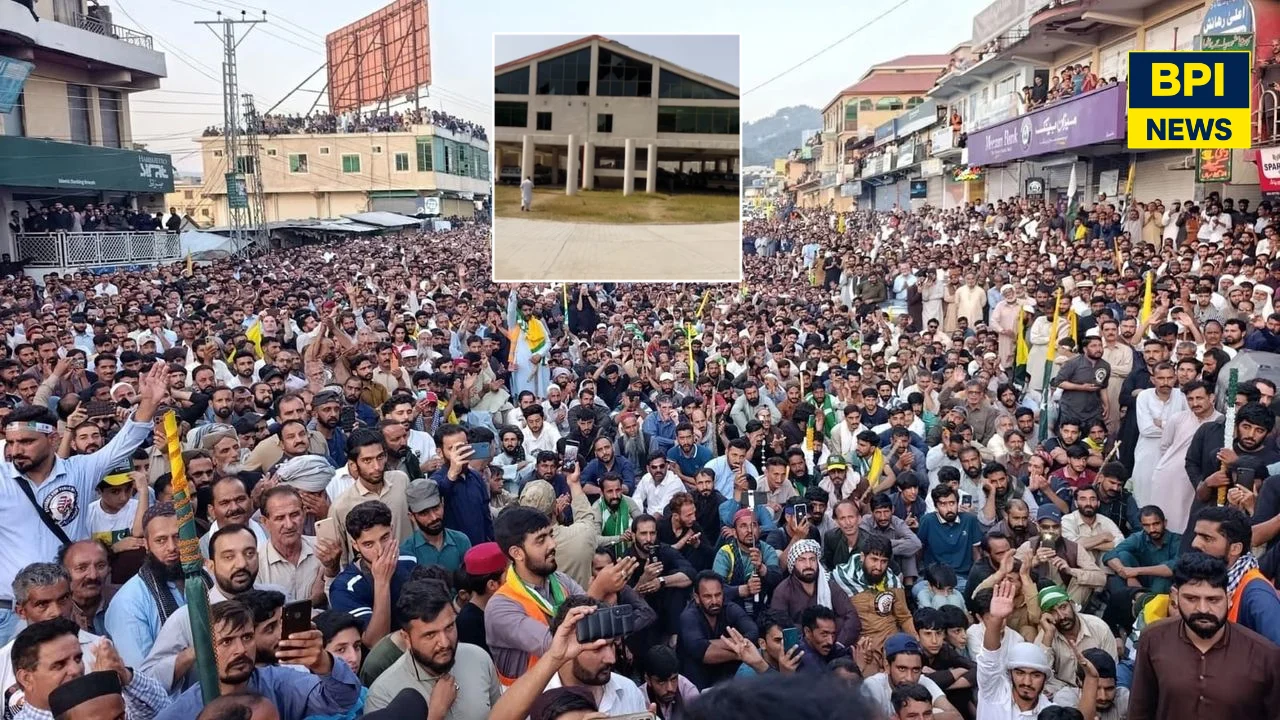
A security operation in Rawalakot, Azad Jammu and Kashmir, has been confirmed after reports began circulating on Wednesday, November 4, that forces were preparing to move against a months-long protest around the city’s main bus terminal. By Thursday, November 5, Pakistani media, local AJK outlets and official statements had confirmed that law-enforcement personnel had entered the area, cleared the protest site and taken control of the Rawalakot bus terminal following an exchange of gunfire.
BPI News had received information on November 4 indicating that the situation in Rawalakot was escalating, but independent verification was difficult because communications were unreliable and sharply conflicting accounts were circulating online. At the same time, a number of social-media accounts aligned with the government narrative, including pages presenting themselves as fact-checkers, were disputing reports that a major operation was taking place.
The broader existence of the operation is no longer in dispute, but some of the most serious details remain contested. Poonch police say armed individuals among the protesters opened fire on security personnel during efforts to remove barricades and reopen roads, prompting retaliatory firing. Representatives of the Jammu Kashmir Joint Awami Action Committee, commonly known as JAAC, have given a different account and allege that forces moved on the protest before dawn and fired at demonstrators.
Injuries have been reported, but BPI News has not independently established a definitive casualty figure or verified claims that armed drones or heavier weapons were used.
Rawalakot Bus Terminal Cleared After Months-Long JAAC Protest
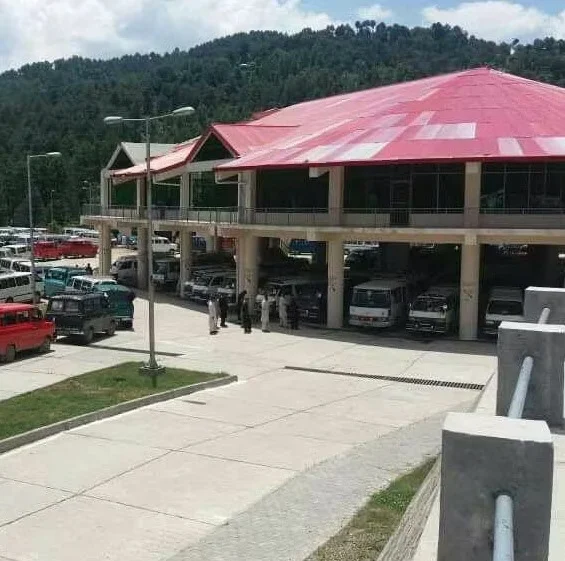
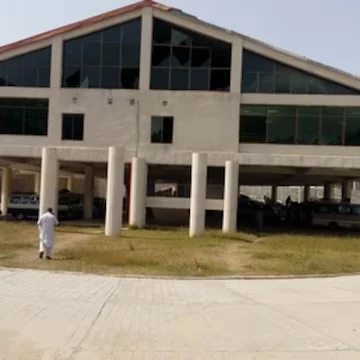
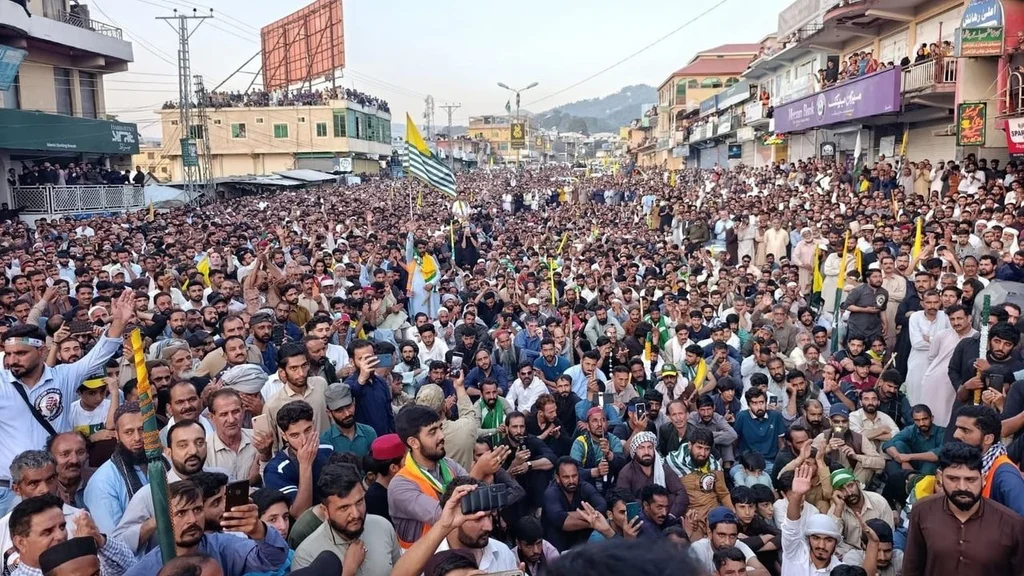
The November 5 operation centred on the Rawalakot bus terminal, where supporters of JAAC had maintained a prolonged sit-in as part of a wider campaign over economic pressures, public services, employment, political representation and what the movement describes as privileges enjoyed by the ruling establishment.
The authorities have increasingly treated the movement as a security and public-order issue. The AJK government has proscribed JAAC, while police have accused some activists of blocking roads, attacking law-enforcement personnel and allowing armed individuals to operate around protest sites. JAAC rejects that characterisation and says its campaign centres on political, economic and fundamental rights.
Police say the November 5 operation was intended to remove barricades around the Rawalakot bus terminal and restore public movement. According to the official account, armed individuals fired on officers during the operation and security personnel returned fire.
The terminal was subsequently brought under the control of security forces, ending the months-long occupation of the site.
Reports Of The Rawalakot Operation Were Initially Disputed
The information battle surrounding Rawalakot has become an important part of the story because reports of a developing security operation circulated before the action was publicly confirmed.
BPI News had information on November 4 suggesting that developments around Rawalakot were entering a more serious phase. During the same period, several accounts on X aligned with the government position were rejecting reports of a crackdown or presenting them as misinformation.
There is no doubt that inaccurate and unverified claims have circulated online, particularly concerning casualty numbers, alleged drone strikes and the type of weaponry used. However, the eventual confirmation that security forces had moved on the bus terminal means that dismissing the existence of significant security action altogether was also inaccurate.
For readers trying to understand events in Rawalakot, the distinction is important. Confirmation of the operation does not validate every allegation made against the authorities, while the circulation of misinformation does not mean every report critical of the operation is false.
Conflicting Accounts Over Who Opened Fire
Police say the confrontation began when armed individuals fired on law-enforcement personnel as officers attempted to clear the Rawalakot bus terminal. Authorities say officers returned fire and reported injuries on both sides.
JAAC representatives dispute that version and allege that security personnel initiated the firing while moving against the protest.
BPI News cannot currently determine independently who fired first. The most accurate description at this stage is that an armed exchange occurred during the operation and that the authorities and protest movement give opposing accounts of how it began.
Reports of civilian deaths have also varied significantly, while claims that drones were used during the operation have circulated widely. BPI News has not independently verified either a definitive death toll or the alleged use of armed drones.
Pakistani Security Sources Decline To Discuss Rawalakot
BPI News approached two Pakistani security sources who have consistently provided this publication with information concerning sensitive regional developments, including negotiations between Iran and the United States.
Both declined to discuss Rawalakot.
Their unwillingness to engage was notable because the same individuals have previously been prepared to discuss matters involving regional security, diplomatic negotiations and other highly sensitive international developments.
When BPI News pressed one source on why Iran-US negotiations could be discussed while events inside Azad Jammu and Kashmir could not, the exchange became confrontational. The source accused sections of the media of creating false narratives and argued that Pakistan’s security establishment knew what it was doing.
BPI News is withholding the identities of both individuals because they have provided information on condition of anonymity. Their refusal to discuss Rawalakot is not evidence supporting allegations made against the authorities, but it does indicate the level of sensitivity surrounding developments in AJK.
Communications Disruption Is Affecting Families In Britain
Communications problems have made reporting from Rawalakot considerably more difficult. Mobile and internet connectivity has repeatedly been affected during the wider confrontation between the authorities and the protest movement, making it harder to contact residents, establish casualty figures and independently verify footage circulating online.
For BPI News, this aspect of the story is particularly important because we are the British Pakistani Index, and a substantial proportion of the community we report for has direct family, cultural and economic ties to Azad Jammu and Kashmir and the wider Pahari-Pothwari region.
Rawalakot and Poonch are not distant locations for many British Pakistanis. Families in Birmingham, Bradford, Luton, London and elsewhere remain in regular contact with parents, grandparents, siblings and extended relatives in AJK, while many also own homes, send remittances and travel frequently between Britain and the region.
Samir, from Birmingham, told BPI News that the communications disruption had made it difficult to reach relatives through WhatsApp and that he eventually purchased a Lyca Mobile SIM so he could make conventional international telephone calls.
“I’ve been worried because I haven’t been able to contact the family properly on WhatsApp. I had to buy a Lyca SIM and go back to the old-school way of ringing them directly just to get updates. Even then the service is bad.”
His experience reflects why communications restrictions in AJK have consequences extending well beyond Pakistan. For families in Britain, the immediate concern is often not which political narrative dominates social media but whether they can establish that relatives are safe.
Why Rawalakot Matters To British Pakistanis
The strong connection between Britain and Azad Jammu and Kashmir means that major events in places such as Rawalakot can quickly become a British Pakistani community issue.
The diaspora connection is especially pronounced across AJK and the wider Pahari-Pothwari belt, where decades of migration to Britain have created extensive family networks spanning both countries. Political tension, communications restrictions and violence in the region therefore have an immediate impact on people living thousands of miles away.
This is also why accurate reporting matters. Where communications are disrupted and political narratives are deeply polarised, families can become dependent on social-media accounts whose claims may be difficult to verify. Government-aligned pages can minimise events while opposition-linked accounts may amplify unconfirmed allegations, leaving ordinary people trying to determine what has actually happened.
BPI News Analysis
For BPI News, the Rawalakot story is personal because we are the British Pakistani Index and a substantial part of the community we serve has direct connections with Azad Jammu and Kashmir. Many British Pakistanis have parents, grandparents, siblings and wider family living in AJK, and the communications disruption means events in Rawalakot are being experienced not only on the streets of Poonch but also inside homes across Britain.
That connection makes it particularly important for us to distinguish verified information from political narrative. The existence of the November 5 security operation, the clearance of the Rawalakot bus terminal and an exchange of gunfire are now well established. The more serious questions, including who fired first, the final casualty figure and whether drones or heavy weapons were used, remain less certain and should not be presented as fact until stronger evidence becomes available.
The refusal of two Pakistani security sources who have previously discussed highly sensitive Iran-US negotiations with BPI News to speak about Rawalakot is notable because it illustrates how carefully the issue is being handled within security circles, although their silence cannot itself be treated as evidence supporting either side.
For British Pakistani families, however, the immediate issue is more practical. Reliable communications allow people to establish whether their relatives are safe, while communications disruption creates uncertainty and leaves families dependent on fragmented reports and unreliable calls. As a publication established specifically to report on issues affecting British Pakistanis, BPI News considers that diaspora dimension central to understanding why developments in Rawalakot matter far beyond AJK.